Begleiten Sie uns auf eine literarische Weltreise!
Buch zum Bücherregal hinzufügen
Grey
Einen neuen Kommentar schreiben Default profile 50px
Grey
Jetzt das ganze Buch im Abo oder die ersten Seiten gratis lesen!
All characters reduced
The Web3js Handbook - Building Decentralized Applications - cover

The Web3js Handbook - Building Decentralized Applications

Robert Johnson

Verlag: HiTeX Press

  • 0
  • 0
  • 0

Beschreibung

Discover the cutting-edge world of Web3 and decentralized applications with "The Web3.js Handbook: Building Decentralized Applications." This comprehensive guide empowers developers, both novice and seasoned, with the knowledge and tools necessary to leverage the transformative potential of blockchain technology. Expertly crafted by a leading authority in computer science, this book unravels the complexities of Web3.js, offering a clear, structured pathway to understanding and implementing DApps across various sectors.Dive into a systematically organized exploration of essential topics, from blockchain fundamentals and smart contract development to advanced Web3.js features and security best practices. Each chapter builds upon the last, ensuring a seamless learning experience. Readers will find detailed guidance on setting up development environments, managing accounts and transactions, and integrating frontend and backend components. Furthermore, this handbook addresses the challenges and opportunities inherent in the evolving Web3 ecosystem, preparing developers for future advancements in decentralized technologies."The Web3.js Handbook" is more than just a technical manual—it is your gateway to the innovative world of decentralized applications. With this book, readers will not only gain a profound understanding of current technologies but also be inspired to create and innovate within the promising domain of Web3. Whether you're seeking to build secure, efficient DApps or explore the limitless opportunities emerging from blockchain technologies, this book is an essential resource for forging a path in the decentralized future of the digital world.
Verfügbar seit: 09.02.2025.
Drucklänge: 382 Seiten.

Weitere Bücher, die Sie mögen werden

  • Cosmos Weekly's Year of Wonders - 30 stories about the science that is changing your world - cover

    Cosmos Weekly's Year of Wonders...

    The Royal Institution of Australia

    • 0
    • 0
    • 0
    Cosmos Weekly is the place for conversations, debates, discussions and insights into the science that changes our lives, where working scientists explain how they came to be where they are, and what hopes and breakthroughs keep them forging on.
    Zum Buch
  • Diabetes Mellitus And Alzheimer’s Disease Link And Risk Factors - cover

    Diabetes Mellitus And...

    Sam Dickinson

    • 0
    • 0
    • 0
    In many respects, Alzheimer’s is a brain form of Diabetes.Even in the earliest stages of the disease, the brain’s ability to metabolize sugar is reduced. Usually, insulin plays a significant role in helping the brain take up sugar from the blood. But, in Alzheimer’s, insulin is not very effective in the brain. Consequently, the brain cells practically starve to death.This book on Diabetes Mellitus aims at giving an insight into various aspects of this chronic disease and the risk factors that lead to it. The various ways it develops in the human body; the old and new approaches to treatment, both from a pharmacological and a non-pharmacological point of view. Ways to prevent and manage diabetes complications; how to improve the lives of diabetic patients who are faced with physical and psychological problems; statistical data from around the world focuses on the epidemiology and outlines the issue of the cost of Diabetes.Finally, this book links diabetes mellitus with Alzheimer’s disease as a different expression of Diabetes since it is closely associated with several critical neuronal factors implicated in dementia.
    Zum Buch
  • Snakes - Essential Snake Care Tips for Beginners - cover

    Snakes - Essential Snake Care...

    Angie Tracks

    • 0
    • 0
    • 0
    Snakes have fascinated humans for centuries, evoking a mix of awe and curiosity. With their sleek, sinuous bodies and mysterious behaviors, they are often misunderstood and feared. However, as exotic pets, snakes offer a unique opportunity to experience the wonders of the animal kingdom in a way that few other pets can. This chapter aims to provide an introduction to snakes as pets, explore why they are an excellent choice for certain pet owners, and outline the key considerations before deciding to bring a snake into your home. 
    The appeal of snakes as pets has grown significantly over the years. Unlike traditional pets such as dogs or cats, snakes are relatively low-maintenance creatures that do not require constant attention. They don’t need daily walks, grooming, or feeding multiple times a day. This makes them ideal for people with busy lifestyles or those who prefer a pet that does not demand much interaction. Additionally, snakes come in a wide variety of species, each with its own unique characteristics, colors, and sizes. This diversity means that potential snake owners can find a species that matches their preferences and available space. 
    However, despite their advantages, keeping a snake is not without its challenges. They require specific care, such as the correct habitat setup, temperature control, and feeding schedule. A proper understanding of their needs is crucial to ensure the snake’s health and well-being. In this book, we will guide you through everything you need to know to become a successful snake owner, from selecting the right species to providing the ideal environment and handling your snake safely.
    Zum Buch
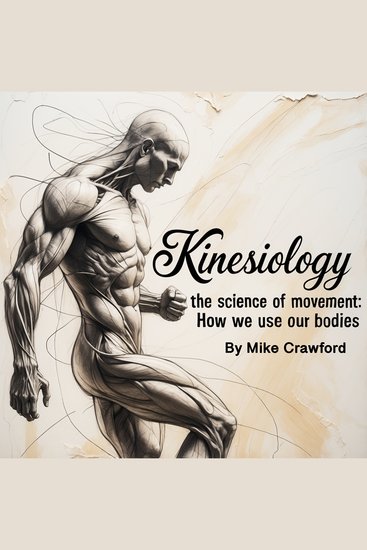
  • Kinesiology - The Science of Movement How We Use Our Bodies - cover

    Kinesiology - The Science of...

    Mike Crawford

    • 0
    • 0
    • 0
    Kinesiology, the scientific study of human movement, is a multidisciplinary field that integrates principles from anatomy, physiology, biomechanics, and neuroscience. It examines how the body moves, the forces that act upon it, and the underlying mechanisms that control movement. By understanding these principles, professionals in various fields, including physical therapy, sports science, and occupational therapy, can enhance human performance, prevent injuries, and improve rehabilitation strategies. 
    The origins of kinesiology date back to ancient civilizations, where scholars like Aristotle and Galen first explored the mechanics of movement. However, the field gained prominence in the 19th and 20th centuries as scientific advancements allowed for a deeper understanding of biomechanics and motor control. Today, kinesiology encompasses a vast range of topics, from the microscopic study of muscle fibers to large-scale analyses of athletic performance. 
    One of the core components of kinesiology is biomechanics, which applies the principles of physics and engineering to study how forces influence movement. Biomechanics helps explain how the body maintains balance, generates power, and absorbs impact. For example, analyzing the gait cycle of a runner can reveal inefficiencies that may lead to injuries. By optimizing movement patterns, biomechanics contributes to improving athletic performance and developing assistive technologies such as prosthetics and orthotics.
    Zum Buch
  • Straight To Deep Sleep: A Guided Sleep Meditation To Help You Fall Into A Deep Restful Healing Sleep - cover

    Straight To Deep Sleep: A Guided...

    Center for Sleep Disorders

    • 0
    • 0
    • 0
    Would you like to fall asleep faster, sleep more deeply, and easily?  
     
    - reduce stress and manage anxiety?  
    - take back control over your life 
    - learn how to navigate through loss, a relationship ending, and narcissistic relationship behaviours? 
     
    Discover how this deep sleep meditation can help you naturally overcome your insomnia. 
     
    No longer do you need to toss and turn endlessly stuck in overthinking cycles, knowing you won’t get any sleep that night. 
     
    All you need to do is put on your headphones, listen to this meditation and let our narrator do the rest! 
     
    Here’s a tiny example of what’s inside: 
     
    •	Gentle guided sleep meditation, 
    •	Soothing nature sounds, 
    •	Calming Solfeggio Music for better sleep, 
    •	Positive thoughts you can listen to anytime you want to retrain your subconscious for lasting results. 
     
    Listen to this program on a low volume to ensure uninterrupted sleep once you drift off, for at least 21 consecutive days to ensure the best possible effect. We recommend using headphones, because this audiobook combines many acoustic levels that enhance the effect. 
     
    Trouble sleeping does not have to be a norm for you. If sleeping problems plague you, it's time to try this all-natural sleep aid and put this guided sleep meditation to work for you. Soon sleeplessness will be a distant memory as you doze off, sleep well, and wake up refreshed.
    Zum Buch
  • The New Fire - War Peace and Democracy in the Age of AI - cover

    The New Fire - War Peace and...

    Ben Buchanan, Andrew Imbrie

    • 0
    • 0
    • 0
    Artificial intelligence is revolutionizing the modern world. It is ubiquitous—in our homes and offices, in the present and most certainly in the future. Today, we encounter AI as our distant ancestors once encountered fire. If we manage AI well, it will become a force for good, lighting the way to many transformative inventions. If we deploy it thoughtlessly, it will advance beyond our control. If we wield it for destruction, it will fan the flames of a new kind of war, one that holds democracy in the balance. As AI policy experts Ben Buchanan and Andrew Imbrie show in The New Fire, few choices are more urgent—or more fascinating—than how we harness this technology and for what purpose. 


    The new fire has three sparks: data, algorithms, and computing power. These components fuel viral disinformation campaigns, new hacking tools, and military weapons that once seemed like science fiction. To autocrats, AI offers the prospect of centralized control at home and asymmetric advantages in combat. It is easy to assume that democracies, bound by ethical constraints and disjointed in their approach, will be unable to keep up. But such a dystopia is hardly preordained. Combining an incisive understanding of technology with shrewd geopolitical analysis, Buchanan and Imbrie show how AI can work for democracy. With the right approach, technology need not favor tyranny.
    Zum Buch